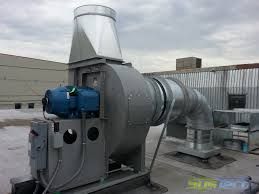
Industrial exhaust blowers play an essential role in maintaining air quality, controlling temperature, and ensuring safe working conditions across manufacturing plants, warehouses, commercial kitchens, and processing facilities. These systems include a wide range of solutions such as centrifugal air blower systems, air vent blowers, and exhaust fan for industrial purposes, each designed to handle specific ventilation needs. From advanced configurations like SISW blower (Single Inlet Single Width) and DIDW blower (Double Inlet Double Width) designs to specialized systems such as air curtain blower units and the best inline duct booster fan setups, industrial ventilation solutions have evolved to meet diverse operational demands. Choosing the right industrial exhaust blower is not always straightforward. Different industries have varying requirements depending on the type of pollutants, airflow demands, and operational conditions. Understanding key specifications and how they impact performance can help businesses make informed decisions, avoid unnecessary costs, and improve efficiency. This guide explains the important aspects of industrial exhaust blowers in a clear and practical way, helping you select the right option based on your specific needs.
Benefits and Limitations of Industrial Exhaust Blowers Improved Air Quality Temperature Control Compliance with Safety Standards Equipment Protection Energy Efficiency (with Proper Design) Limitations Initial Installation Cost Maintenance Requirements Noise Levels Space Requirements Types of Industrial Exhaust Blowers Understanding different blower types helps in selecting the most suitable solution. A centrifugal air blower uses a rotating impeller to generate pressure and direct airflow efficiently. These are widely used in industrial environments. Best for: High-pressure applications Dust collection systems Industrial ventilation 2. Axial Blowers Axial blowers move air parallel to the shaft and are commonly used as an exhaust fan for industrial purpose where large volumes of air need to be moved. Best for: General ventilation Cooling large spaces Low-pressure airflow systems 3. SISW and DIDW Blowers SISW blower (Single Inlet Single Width) and DIDW blower (Double Inlet Double Width) are classifications within centrifugal blowers. SISW blower: Suitable for moderate airflow and compact systems DIDW blower: Designed for higher airflow and more demanding industrial applications Best for: HVAC systems Air handling units Industrial processing environments 4. Inline Blowers Inline systems, often referred to as the best inline duct booster fan, are installed within ductwork to enhance airflow. Best for: Duct-based ventilation Space-constrained installations Airflow boosting in long duct systems 5. Air Curtain Blowers An air curtain blower creates a controlled air stream across openings to prevent the entry of dust, insects, or outside air. Best for: Commercial entrances Cleanrooms Temperature-controlled zones 6. High-Temperature and Air Vent Blowers Air vent blowers and high-temperature models are used in environments where heat and air extraction are critical. Best for: Furnaces Foundries Heat-intensive industrial operations Key Specifications to Consider Airflow capacity determines how much air a system can move. High-capacity centrifugal air blower systems and DIDW blowers are often used for large industrial spaces. 2. Static Pressure Systems like inline duct booster fans and air vent blowers must overcome duct resistance, making static pressure a critical factor. 3. Power Consumption Energy usage varies depending on blower size and type. Efficient systems reduce operational costs over time. 4. Noise Levels Noise control is important, especially when using large exhaust fans for industrial purposes in enclosed environments. 5. Material Construction Stainless steel for corrosive conditions Coated steel for durability Aluminum for lightweight designs 6. Operating Temperature Range High-temperature applications require specialized blowers designed to handle extreme heat. 7. Efficiency Rating Efficient systems, including modern SISW and DIDW blower designs, provide better performance with lower energy consumption. Comparison Table: Types of Industrial Exhaust Blowers Latest Trends and Innovations Energy-Efficient Motors Smart Monitoring Systems Noise Reduction Technologies Compact Designs Sustainable Engineering Top Companies and Solutions Some widely recognized manufacturers include: Greenheck Fan Corporation Twin City Fan & Blower Howden Group Systemair ebm-papst These companies offer a range of solutions, including centrifugal air blowers, SISW and DIDW systems, and advanced ventilation technologies. How to Choose the Right Industrial Exhaust Blower Identify contaminants and airflow needs Decide between systems like air vent blowers or exhaust fans for industrial purpose Consider compact options like inline duct booster fans Select appropriate blower type such as SISW blower, DIDW blower, or centrifugal air blower Choose energy-efficient systems for long-term savings Ensure the system meets safety and regulatory standards Checklist for Selection Airflow (CFM) calculated Static pressure identified Suitable blower type selected Energy efficiency evaluated Noise level acceptable Material compatibility confirmed Space availability checked Maintenance requirements understood Tips for Best Use and Maintenance Regular Inspection Clean Ducts and Filters Monitor System Efficiency Lubricate Components Preventive Maintenance Frequently Asked Questions (FAQs) 1. What size industrial exhaust blower do I need? 2. What is the difference between SISW and DIDW blower? 3. Are inline duct booster fans effective? 4. What is an air curtain blower used for? 5. Are energy-efficient blowers worth it? Conclusion Choosing the right industrial exhaust blower involves more than selecting a high-capacity system. From centrifugal air blower designs to SISW and DIDW configurations, and from air vent blowers to inline duct booster fans, each option serves a specific purpose. By understanding key specifications, evaluating your operational needs, and selecting the appropriate blower type, you can ensure efficient airflow, improved safety, and long-term reliability. A well-chosen system, combined with proper maintenance, supports consistent performance and better environmental control across industrial applications.Benefits
Industrial exhaust blowers, including air vent blowers and centrifugal air blower systems, help remove harmful gases, dust, smoke, and airborne particles, creating a safer environment for workers.
Systems like exhaust fans for industrial purpose and high-capacity blowers assist in regulating indoor temperatures by expelling hot air, especially in high-heat environments like factories and workshops.
Many industries must meet air quality and ventilation regulations. Proper exhaust systems help maintain compliance.
By removing contaminants, blowers reduce the risk of damage to machinery and electronic systems.
Modern systems, including optimized inline duct booster fan configurations, are designed to maximize airflow while minimizing energy consumption.
High-capacity systems such as DIDW blower units or large centrifugal air blower installations may require a higher upfront investment.
Regular inspection and servicing are necessary, especially for complex systems like SISW blower setups.
Certain blowers, particularly high-speed units, can produce noise that may require acoustic control.
Larger systems may need dedicated installation areas, although compact solutions like inline duct booster fans can help in space-limited environments.1. Centrifugal Blowers
1. Airflow Capacity (CFM)
Advanced systems now use variable frequency drives to optimize performance.
Sensors enable real-time tracking of airflow and system efficiency.
Improved blade design reduces sound levels.
Inline systems and modular units simplify installation.
Modern blowers are designed for lower environmental impact.Step 1: Assess Your Application
Step 2: Evaluate Installation Space
Step 3: Match Specifications
Step 4: Consider Efficiency
Step 5: Check Compliance
Monitor performance of systems like centrifugal air blowers and inline duct booster fans.
Ensure smooth airflow and prevent system overload.
Track airflow consistency and energy use.
Reduce wear and extend equipment life.
Schedule routine servicing for long-term reliability.
It depends on airflow requirements and facility size. Systems like DIDW blowers are used for larger spaces.
A SISW blower has a single air inlet, while a DIDW blower has dual inlets for higher airflow capacity.
Yes, the best inline duct booster fan setups are useful for improving airflow in duct systems.
An air curtain blower creates an air barrier to control temperature and prevent contamination.
They help reduce operating costs and improve system performance over time.