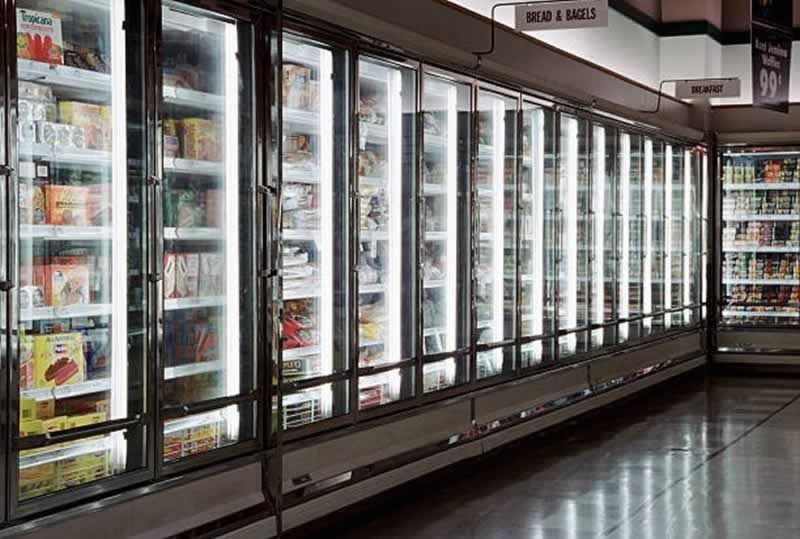
Commercial refrigeration systems are essential in industries where temperature control is critical. From restaurants and supermarkets to pharmaceutical storage and industrial facilities, these systems ensure that products remain safe, fresh, and usable over time. Many businesses rely on a commercial refrigeration company to design, install, and maintain these systems for reliable performance. In addition to cooling, modern setups often integrate with commercial heating & cooling systems to maintain overall environmental control within facilities. Unlike domestic refrigerators, commercial systems are designed to operate continuously, handle larger loads, and maintain consistent temperatures even under frequent use. Equipment such as true refrigeration units and durable commercial refrigeration door designs further enhance efficiency and usability in demanding environments. Understanding how these systems work helps businesses make informed decisions about installation, maintenance, and energy efficiency. This article explains the working principles, types, benefits, limitations, and key considerations in a simple and practical way.
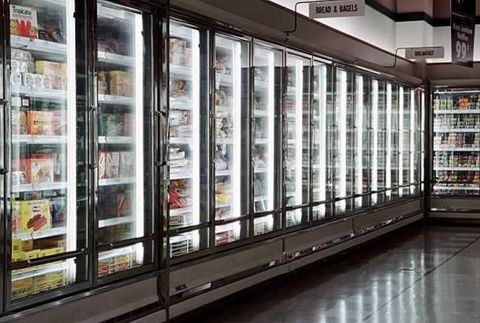
At the core of most commercial refrigeration systems is the vapor-compression refrigeration cycle, a process that removes heat from a space and releases it elsewhere. Whether installed by a commercial refrigeration company near me or part of a large industrial setup, the core working principle remains the same. The refrigeration cycle consists of four main stages: Evaporation – The refrigerant absorbs heat from the inside of the refrigerator, cooling the space. Compression – The compressor increases the pressure and temperature of the refrigerant gas. Condensation – Heat is released outside as the refrigerant turns into liquid. Expansion – The refrigerant cools down and returns to absorb more heat, repeating the cycle. Supporting parts such as fans, sensors, and control systems help maintain stable temperatures and efficiency. Many of the best commercial refrigeration systems also include advanced monitoring features for better control. Benefits and Limitations Consistent temperature control for food safety and product quality Supports large-scale storage for businesses Continuous operation suited for commercial environments Improved efficiency with modern controls and sensors Integration with commercial heating & cooling systems for overall climate management High initial investment for advanced systems Energy consumption can be significant if not optimized Requires regular maintenance to prevent breakdowns System complexity may need trained technicians from a qualified commercial refrigeration company Types of Commercial Refrigeration Systems Commercial refrigeration systems are categorized based on design and application. All components are built into a single unit Easy to install and maintain Common in small businesses using compact true refrigeration units Compressor and condenser are placed outside Reduces heat and noise inside Suitable for medium-sized operations Multiple compressors serve multiple units High efficiency for large facilities Used in supermarkets and warehouses Walk-in coolers and freezers Display refrigerators with glass commercial refrigeration door systems Industrial cold storage systems Latest Trends and Innovations Commercial refrigeration is evolving due to environmental regulations and energy efficiency demands. Eco-friendly refrigerants such as CO₂ and propane replacing older gases Smart monitoring systems for real-time temperature tracking Energy-efficient compressors and variable speed drives Heat recovery systems that reuse waste heat Automation and IoT integration for predictive maintenance Many modern solutions offered by a commercial refrigeration company now include smart diagnostics and remote monitoring, improving system reliability. Key Features to Consider When evaluating commercial refrigeration systems, consider the following: Temperature range and stability Energy efficiency rating Storage capacity Type of refrigerant used Noise levels Ease of maintenance Monitoring and control systems Quality of components such as compressors and commercial refrigeration door sealing Top Companies and Solutions Several global manufacturers provide commercial refrigeration solutions across different scales. Many businesses compare options before selecting the best commercial refrigeration solution for their needs. These companies often work alongside local service providers, making it easier to find a reliable commercial refrigeration company near me for installation and maintenance. How to Choose the Right System Choosing the right commercial refrigeration system depends on operational needs. Assess your requirements Storage size Temperature range Industry type Select system type Small business → self-contained Medium → remote system Large → centralized rack system Evaluate energy efficiency Look for modern compressors and controls Consider installation space Indoor vs outdoor components Check maintenance needs Availability of service and spare parts from a trusted commercial refrigeration company Review compliance requirements Environmental and safety regulations Tips for Best Use and Maintenance Proper use and maintenance improve performance and extend system life. Clean condenser coils regularly Ensure proper airflow inside units Avoid overloading shelves Monitor temperature frequently Schedule routine inspections with a commercial refrigeration company Check seals and hinges of commercial refrigeration door systems A common operational issue is airflow blockage: “Overloading refrigerators restricts airflow and reduces efficiency.” This highlights the importance of proper organization and airflow management. Comparison Table of System Types FAQs To maintain controlled temperatures for storing perishable or sensitive products safely. Commercial systems operate continuously, handle larger loads, and require more precise temperature control. Modern systems use environmentally friendly options like CO₂, propane, and newer low-GWP refrigerants. Routine checks should be done monthly, with professional servicing at least annually by a qualified commercial refrigeration company. Common causes include dirty coils, blocked airflow, refrigerant leaks, and poor maintenance. Yes, newer systems use advanced controls and compressors to reduce energy consumption and integrate with commercial heating & cooling systems. Conclusion Commercial refrigeration systems are built on a simple but powerful principle: removing heat to maintain a controlled environment. While the core technology remains consistent, modern systems have become more efficient, intelligent, and environmentally friendly. Businesses today often rely on experienced providers to identify the best commercial refrigeration setup based on their needs. Whether selecting durable true refrigeration units or working with a trusted commercial refrigeration company near me, the focus should remain on long-term efficiency and reliability. Choosing the right system requires understanding your specific needs, evaluating system types, and considering long-term performance and maintenance. With proper use and regular upkeep, commercial refrigeration systems can deliver reliable performance and support business operations effectively. A practical takeaway is to focus not only on system selection but also on ongoing maintenance and efficiency optimization. These factors play a critical role in ensuring long-term reliability and cost control.How Commercial Refrigeration Systems Work
Basic Working Principle
Key Components
Benefits
Limitations
1. Self-Contained Systems
2. Remote Condensing Systems
3. Rack (Centralized) Systems
4. Specialized Systems
Key Trends
Essential Features Checklist
Step-by-Step Approach
Best Practices
1. What is the main purpose of commercial refrigeration?
2. How is commercial refrigeration different from domestic refrigeration?
3. What refrigerants are commonly used today?
4. How often should maintenance be performed?
5. What causes inefficiency in refrigeration systems?
6. Are modern systems energy-efficient?