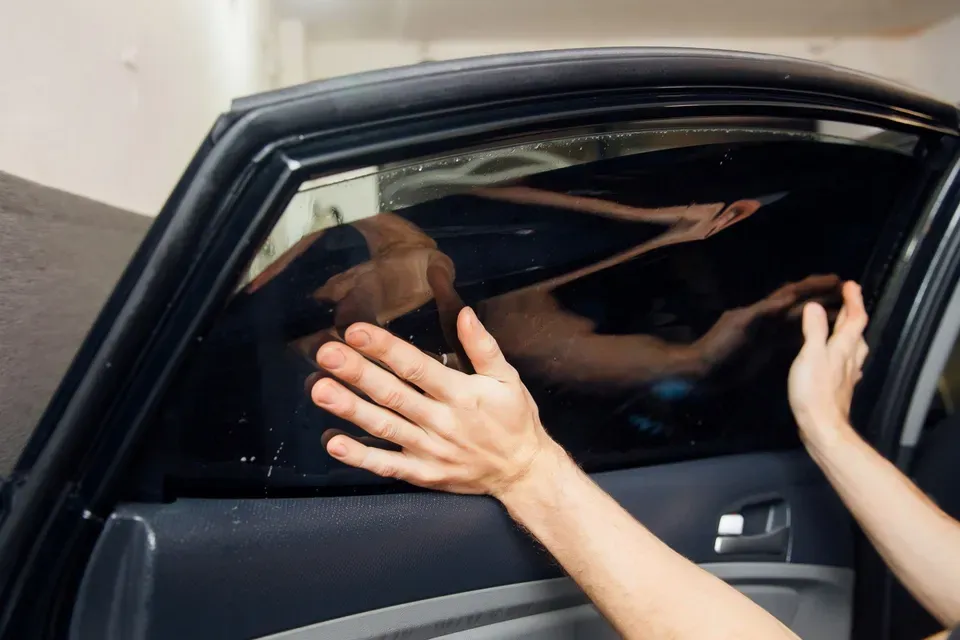
Window tinting has become a common feature in homes, offices, and vehicles. It is no longer just about improving appearance—modern window films are designed to enhance comfort, privacy, and energy efficiency. Whether you are considering home window tinting to reduce indoor heat or car window tinting for better driving comfort, today’s solutions offer practical benefits. From automotive window tint to residential applications, the demand for best window tinting options continues to grow as people look for smarter ways to manage sunlight and improve indoor environments. With many types of window tinting available today, choosing the right one can feel confusing. Each type serves a different purpose, and understanding their features can help you make a better decision.
Benefits of Window Tinting Window tinting provides a range of advantages across residential, commercial, and car window tinting use. Heat reduction: Helps keep indoor spaces cooler by blocking solar heat UV protection: Reduces harmful ultraviolet rays that can damage skin and interiors Improved privacy: Limits visibility from outside Energy efficiency: Reduces the need for air conditioning Glare reduction: Makes screens and driving more comfortable Enhanced appearance: Gives a sleek, uniform look, especially with automotive window tint Initial cost: High-quality films like ceramic window tint can be more expensive Legal restrictions: Some regions have limits on tint darkness (especially for car window tinting) Visibility at night: Dark tints may reduce visibility in low light Installation quality matters: Poor installation can affect even the best window tinting Types of Window Tinting Understanding the main categories of window tinting is essential before making a decision. This is one of the most basic and affordable options in window tinting. Features: Uses a dye layer to absorb solar heat Provides a darker appearance Reduces glare Best for: Budget-friendly home window tinting Basic privacy needs Limitations: Less effective than advanced films like ceramic window tint May fade over time 2. Metalized Window Film Metalized films are commonly used in automotive window tint applications. Features: Strong heat rejection Durable and scratch-resistant Reflective appearance Best for: Car window tinting in hot climates Long-term durability Limitations: Can interfere with signals (GPS, mobile, radio) 3. Carbon Window Film Carbon films are widely used for both home window tinting and car window tinting. Features: Blocks infrared light Does not fade easily No signal interference Best for: Balanced performance and aesthetics Users looking for best window tinting without going premium 4. Ceramic Window Film Ceramic window tint is one of the most advanced forms of window tinting available today. Features: Excellent heat and UV rejection Clear visibility No signal interference Long-lasting performance Best for: Premium automotive window tint High-end home window tinting Limitations: Higher cost compared to other types 5. Hybrid Window Film Hybrid films combine multiple technologies for improved window tinting performance. Features: Balanced performance Reduced reflectivity Improved durability Best for: Users comparing different window tinting types Comparison Table: Window Tinting Types Modern window tinting technologies are evolving to meet growing demand. Smart window films that adjust transparency Nano-based ceramic window tint technology Eco-friendly home window tinting solutions Security-focused automotive window tint These innovations are making the best window tinting options more efficient and durable. Key Features to Consider When choosing window tinting, consider these factors: Visible Light Transmission (VLT) Infrared heat rejection UV protection levels Purpose: Privacy, heat reduction, or aesthetics Location: home window tinting vs car window tinting Climate: Hot regions benefit more from ceramic window tint Legal compliance for automotive window tint Top Companies and Solutions Several companies provide reliable window tinting solutions: 3M Window Films Llumar Window Films SunTek Window Films Huper Optik XPEL These brands offer options across car window tinting, home window tinting, and automotive window tint categories. How to Choose the Right Window Tinting Selecting the best window tinting depends on your needs. Identify your goal (heat reduction, privacy, etc.) Decide between car window tinting or home window tinting Set your budget Compare options like ceramic window tint vs carbon Choose a reliable installer Homes: Ceramic window tint or carbon films Cars: Carbon or hybrid automotive window tint Offices: Reflective or smart films Tips for Best Use and Maintenance Proper care helps maintain window tinting performance. Choose professionals for best window tinting results Avoid cleaning immediately after installation Use soft cloths Avoid harsh chemicals Inspect regularly Frequently Asked Questions (FAQs) Most films last 5–10 years, depending on quality and maintenance. Yes, but rules vary by region. Yes, it helps reduce cooling costs. It offers better performance and durability compared to standard films. Conclusion Window tinting is a practical solution for improving comfort, privacy, and efficiency across homes and vehicles. Whether you are exploring car window tinting, upgrading your space with home window tinting, or investing in ceramic window tint, the right choice depends on your specific needs. By understanding the different types and comparing features, you can confidently select the best window tinting option that delivers long-term value and performance.Key Benefits
Limitations to Consider
1. Dyed Window Film
Latest Trends and InnovationsEmerging Trends
Performance Factors
Practical Considerations
Step-by-Step Checklist
Example Scenarios
Installation Tips
Maintenance Checklist
1. How long does window tinting last?
2. Is car window tinting legal?
3. Can home window tinting reduce energy bills?
4. Is ceramic window tint worth it?