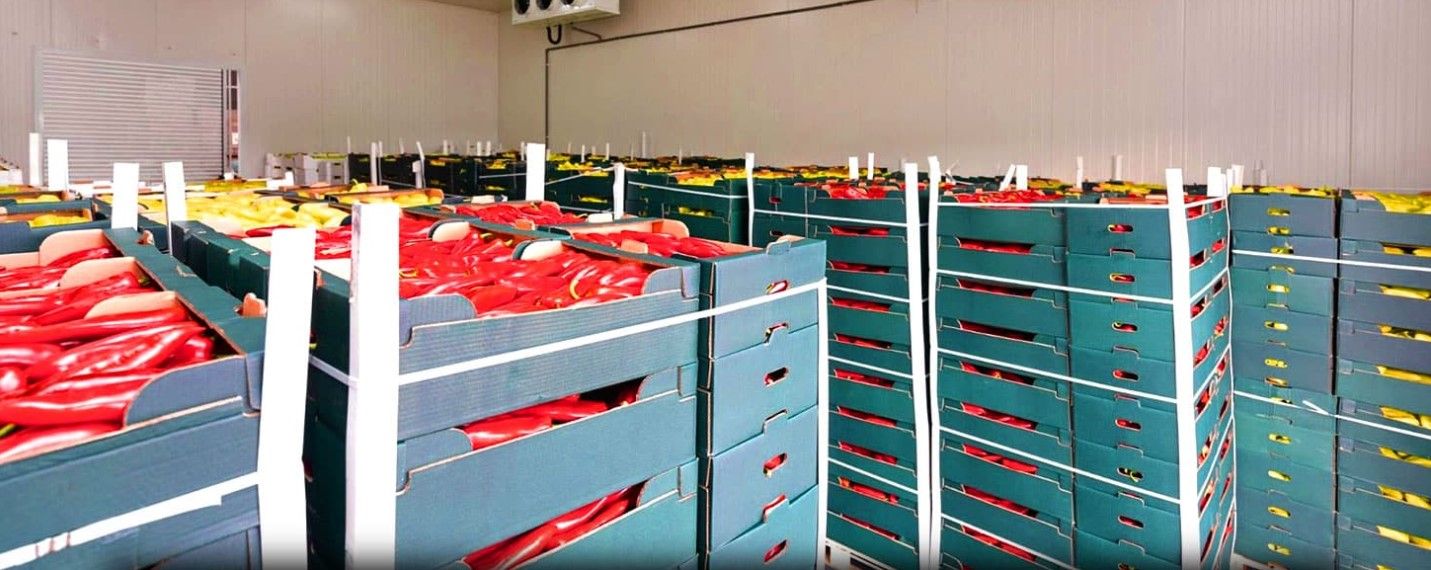
Cold storage plays a critical role in industries where temperature-sensitive goods must be preserved under controlled conditions. From food and beverages to pharmaceuticals and chemicals, maintaining the right temperature ensures product safety, quality, and compliance with regulations. Modern cold storage systems are no longer just about refrigeration. They now include advanced features such as temperature monitoring, automated alerts, and backup systems to prevent loss during unexpected failures. Many facilities now rely on a commercial temperature monitoring system to maintain accuracy and ensure consistent storage conditions across operations. Understanding these features is essential for businesses, facility managers, and even small-scale operators who rely on consistent cooling. This guide explains the key aspects of cold storage systems, with a focus on temperature monitoring and backup solutions. It is designed to help you make informed decisions based on your needs.
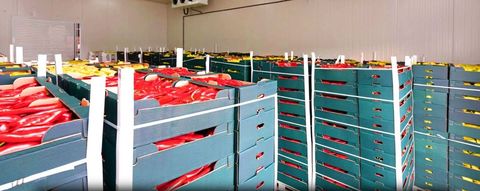
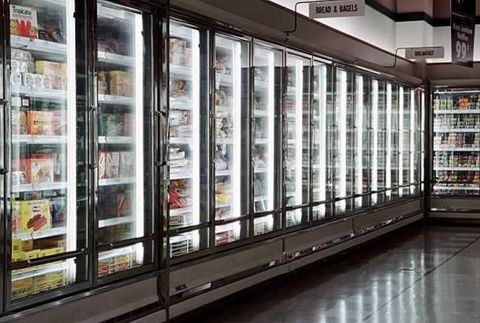
What is Cold Storage? Cold storage refers to facilities or equipment designed to store products at controlled low temperatures. These can range from small refrigerators to large warehouses equipped with advanced cold storage warehouse equipment for handling bulk goods efficiently. Typical temperature ranges: Refrigerated storage: 2°C to 8°C Frozen storage: -18°C or below Deep freezing: -30°C or lower Benefits of Cold Storage Systems Cold storage systems provide several practical advantages: Maintains freshness, potency, and shelf life of products such as food, vaccines, and chemicals. Systems like refrigerated pallet storage and frozen pallet storage are commonly used in warehouses to keep large quantities of goods preserved under stable conditions. Prevents spoilage, contamination, and degradation. Helps meet safety standards in industries like healthcare and food processing. Minimizes losses due to spoilage or temperature fluctuations. Automated systems reduce manual monitoring and errors, especially in facilities that manage cold storage fulfillment operations where timely storage and dispatch are essential. Limitations of Cold Storage Systems While useful, cold storage systems also have some challenges: Installation of advanced systems with monitoring and backup can be expensive. Cold storage units require continuous power, leading to high electricity usage. Regular servicing is necessary to ensure performance and prevent failures. Without proper backup systems, temperature deviations can cause major losses. Types of Cold Storage Systems Cold storage systems come in various forms depending on scale and purpose: Also known as a walk in cold store, these are widely used in restaurants, hospitals, and small warehouses. They are easy to install, customizable, and suitable for medium-scale storage needs. Large-scale storage for bulk goods using structured systems like pallet racks and refrigerated pallet storage for efficient inventory management. Rapidly freeze products to preserve quality, often supported by frozen pallet storage for organized storage after freezing. Strict temperature control environments that rely heavily on advanced monitoring systems. Mobile solutions for temporary or remote needs. In some cases, businesses look for portable refrigeration units for rent near me to handle short-term storage requirements or seasonal demand. Key Features of Cold Storage Systems Temperature monitoring is the most critical feature in any cold storage setup. Many facilities use a commercial temperature monitoring system to track performance across multiple storage zones. Sensors continuously track temperature Data is recorded and stored Alerts are triggered if limits are exceeded Manual monitoring (thermometers) Digital monitoring systems IoT-enabled remote monitoring Sensors Data loggers Control panels Alert systems (SMS, email, alarms) 2. Backup Systems Backup systems ensure continuous operation during power failures or equipment breakdowns. These systems are essential in facilities handling cold storage fulfillment, where delays or failures can impact supply chains. a. Power Backup (Generators/UPS) b. Thermal Backup c. Redundant Cooling Systems 3. Insulation Quality Good insulation reduces heat transfer and improves energy efficiency. Ensures uniform temperature distribution across storage areas, especially important for refrigerated pallet storage setups. Modern systems include: Programmable temperature settings Remote monitoring via apps Automated alerts Comparison Table: Monitoring vs Backup Systems Latest Trends and Innovations Cold storage technology is evolving with advancements in automation and data analytics. Real-time temperature tracking using advanced systems like commercial temperature monitoring system solutions. Predicts equipment failures before they occur and improves reliability. Use of eco-friendly refrigerants and optimized cooling systems. Improves traceability and transparency in cold storage fulfillment processes. Advanced dashboards and automated insights for better decision-making. Top Companies and Solutions Here are some widely recognized providers of cold storage and monitoring solutions: Carrier – Refrigeration and HVAC systems Thermo Fisher Scientific – Pharmaceutical cold storage Blue Star – Commercial cold storage solutions Daikin – Energy-efficient refrigeration systems Emerson (Copeland) – Compressors and monitoring technologies When comparing providers, consider: Product reliability Service support Monitoring capabilities Cost and scalability How to Choose the Right Cold Storage System Selecting the right system depends on your specific requirements. 1. Identify Storage Needs Type of product Required temperature range 2. Determine Capacity Volume of goods to be stored Whether you need frozen pallet storage or refrigerated pallet storage 3. Evaluate Monitoring Needs Real-time alerts Use of a commercial temperature monitoring system 4. Assess Backup Requirements Frequency of power outages Risk tolerance 5. Consider Budget Initial cost vs long-term savings 6. Check Compliance Requirements Industry standards and regulations Checklist: Key Features to Look For Accurate temperature sensors Real-time monitoring system Automated alerts Reliable backup power Good insulation Energy efficiency Easy maintenance Data logging and reporting Compatible cold storage warehouse equipment Tips for Best Use and Maintenance Clean coils and inspect insulation regularly. Ensure accurate readings from your commercial temperature monitoring system. Respond quickly to deviations. Check generators and UPS systems regularly. Maintain airflow, especially in refrigerated pallet storage setups. Minimize temperature fluctuations in walk in cold store environments. Comparison Table: Types of Cold Storage Frequently Asked Questions (FAQs) It ensures that products remain within safe temperature limits, preventing spoilage and maintaining quality. Temperature fluctuations can damage products, reduce shelf life, and lead to financial losses. Automated systems run continuously, but regular audits are recommended. Yes, many businesses use portable refrigeration units for rent near me to handle temporary or emergency storage needs. Refrigerated: 2°C to 8°C Frozen: -18°C or below Use efficient equipment Maintain insulation Reduce door openings Industries such as food distribution, pharmaceuticals, and e-commerce rely on cold storage fulfillment for efficient supply chain management. Conclusion Cold storage systems are essential for preserving temperature-sensitive products across many industries. While basic refrigeration may work for small-scale needs, modern systems with temperature monitoring and backup features provide greater reliability and control. Temperature monitoring ensures stable conditions, while backup systems protect against unexpected failures. Features like commercial temperature monitoring system, cold storage warehouse equipment, and structured storage methods such as frozen pallet storage and refrigerated pallet storage further enhance efficiency. Choosing the right system requires careful evaluation of storage needs, operational scale, and risk factors. With proper planning and maintenance, cold storage solutions can support consistent performance, efficient cold storage fulfillment, and reduced losses over time.1. Product Preservation
2. Quality Control
3. Regulatory Compliance
4. Reduced Waste
5. Operational Efficiency
1. High Initial Cost
2. Energy Consumption
3. Maintenance Requirements
4. Risk of System Failure
1. Walk-in Cold Rooms
2. Refrigerated Warehouses
3. Blast Freezers
4. Pharmaceutical Cold Storage
5. Portable Cold Storage Units
1. Temperature Monitoring Systems
How it works:
Types of monitoring:
Key components:
Types of backup systems:
Provides electricity during outages and supports continuous operation of critical cold storage warehouse equipment.
Uses phase change materials or ice banks to maintain temperature temporarily.
Additional compressors or cooling units automatically activate if the primary system fails.4. Air Circulation System
5. Automation and Controls
1. IoT-Based Monitoring
2. AI and Predictive Maintenance
3. Energy-Efficient Systems
4. Blockchain in Cold Chain
5. Smart Alerts and Analytics
Step-by-step checklist:
1. Regular Maintenance
2. Calibrate Sensors
3. Monitor Alerts
4. Test Backup Systems
5. Avoid Overloading
6. Keep Doors Closed
1. Why is temperature monitoring important in cold storage?
2. What happens if the temperature fluctuates?
3. How often should monitoring systems be checked?
4. Are portable cold storage options available?
5. What is the ideal temperature for food storage?
6. How can energy consumption be reduced?
7. What industries use cold storage fulfillment?