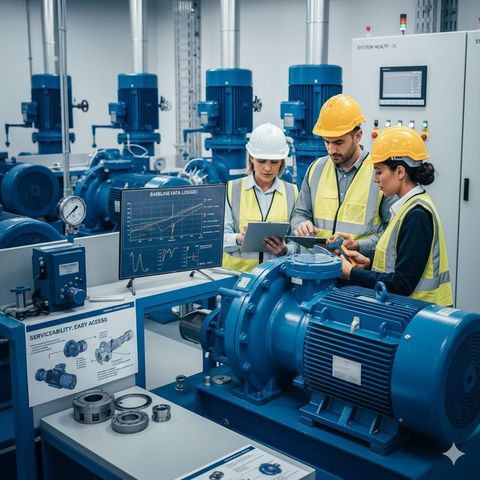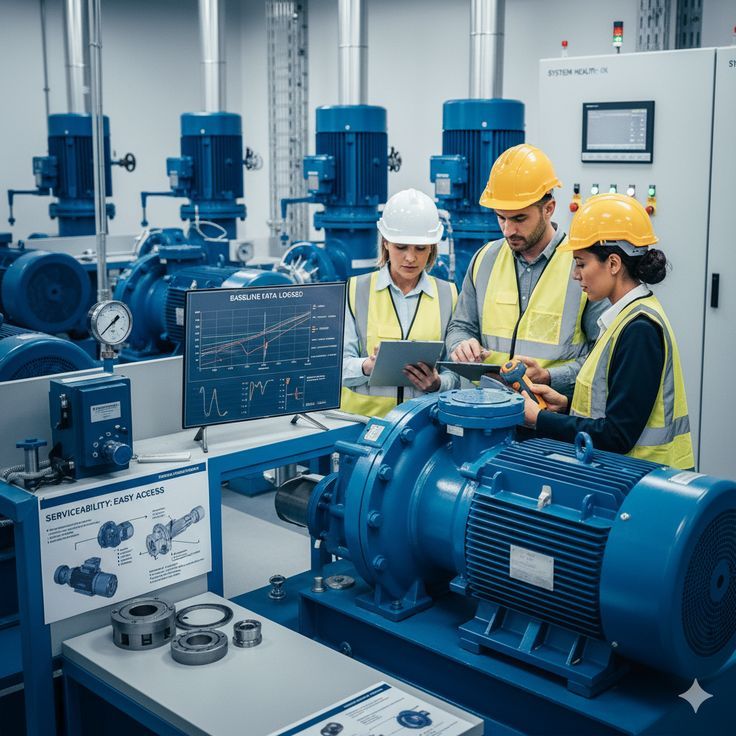
Industrial equipment is the backbone of manufacturing, construction, energy production, and many other sectors. Whether it’s heavy machinery, conveyor systems, or precision tools, proper care directly affects productivity, safety, and operating costs. Three core practices—cleaning, lubrication, and maintenance—form the foundation of effective equipment care. While they may seem routine, these processes require planning, correct methods, and consistency. Poor maintenance is one of the leading causes of equipment failure, often resulting in unplanned downtime and expensive repairs. This guide explains how to manage industrial equipment care in a practical, structured way. It is designed for beginners, technicians, and decision-makers who want clear, reliable information.
Why Equipment Care Matters
Proper care is not just about preventing breakdowns—it improves overall operational efficiency.
Key Benefits
Extended equipment lifespan: Regular lubrication and cleaning reduce wear and tear.
Reduced downtime: preventive maintenance database avoids unexpected failures.
Improved efficiency: Well-maintained machines run smoother and consume less energy.
Lower repair costs: Early detection prevents major damage.
Enhanced safety: Clean and well-functioning equipment reduces accident risks.
Research shows that a significant percentage of equipment failures—especially bearing failures—are related to poor lubrication practices.
Limitations and Challenges
Despite its importance, equipment care comes with certain limitations:
Time and labor intensive: Regular inspections and servicing require dedicated effort.
Skill dependency: Incorrect lubrication or cleaning can cause damage.
Cost of materials: High-quality lubricants and cleaning agents add to operational costs.
Complex scheduling: Different machines require different maintenance intervals.
Understanding these limitations helps organizations plan more realistic and effective maintenance programs.
Types of Industrial Equipment Maintenance
Equipment care can be divided into several categories:
1. Preventive Maintenance
Scheduled activities like cleaning, lubrication, and inspections.
Example: Weekly greasing of bearings.
2. Predictive Maintenance
Uses data (vibration, temperature, oil analysis) to predict failures.
3. Corrective Maintenance
Performed after a fault is detected.
4. Condition-Based Maintenance
Triggered when equipment performance indicators fall outside acceptable ranges.
Cleaning: The First Step in Equipment Care
Cleaning is often overlooked, but it plays a critical role in preventing contamination and corrosion.
Why Cleaning Matters
Removes dust, debris, and chemical buildup
Prevents overheating caused by blocked airflow
Reduces corrosion and surface damage
Regular cleaning prevents the accumulation of contaminants that can degrade best equipment management software over time.
Common Cleaning Methods
Cleaning Checklist
Turn off and isolate equipment
Remove loose debris
Use appropriate cleaning agents
Avoid sensitive components (electrical parts)
Dry thoroughly before restarting
Lubrication: Reducing Friction and Wear
Lubrication is essential for reducing friction, controlling temperature, and preventing component wear.
Functions of Lubrication
Reduces friction between moving parts
Dissipates heat
Prevents corrosion
Seals out contaminants
Lubrication failure—whether due to wrong type, incorrect quantity, or missed intervals—is a major cause of equipment damage.
Types of Lubricants
Lubrication Methods
Manual lubrication (grease guns)
Automatic lubrication systems
Oil mist lubrication
Centralized lubrication systems
Common Lubrication Mistakes
Over-lubrication (causes heat and seal damage)
Under-lubrication (leads to metal contact)
Using wrong lubricant type
Ignoring contamination
Maintenance: The Bigger Picture
Maintenance combines cleaning, lubrication, inspection, and repair into a structured system.
Key Maintenance Activities
Routine inspections
Replacement of worn parts
Calibration of equipment
Monitoring performance metrics
Maintenance Schedule Example
Latest Trends and Innovations
Industrial maintenance is evolving with technology.
1. Predictive Maintenance Tools
Sensors monitor vibration, temperature, and oil quality.
2. Smart Lubrication Systems
Automated systems deliver precise lubricant quantities at set intervals.
3. IoT Integration
Connected devices provide real-time data and alerts.
4. Eco-Friendly Lubricants
Biodegradable lubricants reduce environmental impact.
5. AI-Based Maintenance Planning
Artificial intelligence predicts failures and optimizes schedules.
Key Features to Consider in Equipment Care Systems
When designing a maintenance strategy or choosing tools:
Compatibility with equipment
Ease of use
Automation capabilities
Monitoring and reporting features
Safety compliance
Cost efficiency
Top Companies and Solutions
Several companies provide industrial maintenance and lubrication solutions:
These companies offer a range of products including lubricants, monitoring tools, and automated systems.
How to Choose the Right Maintenance Approach
Selecting the right approach depends on several factors:
1. Equipment Type
Heavy machinery requires more robust maintenance than small tools.
2. Operating Environment
Dusty, hot, or wet conditions increase maintenance needs.
3. Usage Frequency
Continuous operation requires more frequent servicing.
4. Budget and Resources
Balance between manual and automated systems.
5. Manufacturer Guidelines
Always follow OEM recommendations for best results.
Practical Tips for Effective Equipment Care
Create a maintenance schedule and stick to it
Use the correct lubricant type and quantity
Keep equipment clean and dry
Train staff on proper handling techniques
Maintain a logbook for all maintenance activities
Conduct regular industrial oil storageand condition analysis
Avoid mixing incompatible lubricants
Store lubricants properly to prevent contamination
Consistency is key. Even small deviations can lead to significant long-term damage.
FAQs
1. How often should industrial equipment be lubricated?
It depends on usage, environment, and manufacturer recommendations. High-load or dusty environments require more frequent lubrication.
2. What happens if equipment is over-lubricated?
Over-lubrication can cause overheating, seal damage, and contamination, leading to failure.
3. Can cleaning damage equipment?
Yes, if done incorrectly. Using the wrong chemicals or excessive water can harm sensitive components.
4. What is the best way to track maintenance?
Using digital maintenance management systems or simple logbooks helps track schedules and performance.
5. Is automated lubrication worth it?
For large-scale operations, automated systems improve consistency and reduce human error.
Conclusion
Industrial fleet and equipment maintenance software is not a one-time task but an ongoing process that combines cleaning, lubrication, and maintenance into a structured system. Each element plays a critical role in ensuring machinery operates efficiently, safely, and reliably.
While the principles are straightforward, effective implementation requires discipline, planning, and attention to detail. Organizations that invest in proper maintenance practices often experience fewer breakdowns, lower costs, and improved productivity.
A practical takeaway is this: start with a clear maintenance plan, follow manufacturer guidelines, and focus on consistency rather than complexity. Over time, even simple improvements in cleaning and lubrication practices can significantly extend the life and performance of industrial equipment.