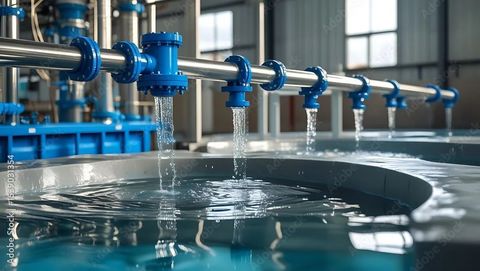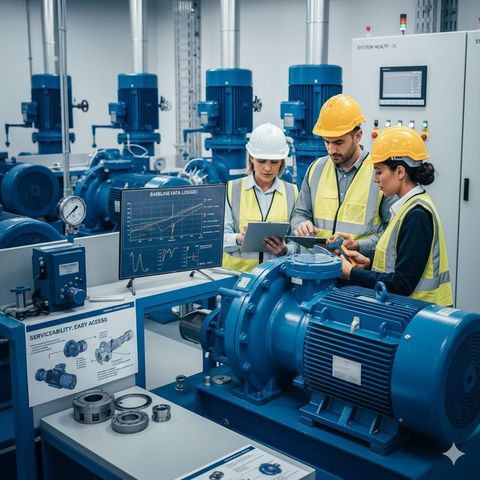
Water is a critical resource for industries ranging from manufacturing and energy to food processing and pharmaceuticals. However, industrial processes often generate wastewater containing chemicals, heavy metals, oils, and other contaminants. Managing this water responsibly is not just an environmental obligation but also a regulatory and operational necessity. Industrial water treatment and recycling involve processes that clean, reuse, and safely discharge water used in industrial operations. With increasing water scarcity, stricter environmental regulations, and rising operational costs, industries are shifting toward more efficient water management systems. This article provides a detailed, user-focused overview of industrial water treatment and recycling, including its benefits, limitations, types, trends, and practical guidance.
What is Industrial Water Treatment and Recycling? Industrial water treatment refers to the process of removing contaminants from water used in industrial processes to make it safe for reuse or discharge. Recycling involves treating wastewater so it can be reused within the same system or for other applications, reducing the need for fresh water. These systems are designed to: Improve water quality Reduce environmental impact Comply with regulations Lower water consumption and costs Benefits and Limitations Industrial water treatment systems can be categorized based on the type of contaminants and treatment methods used. Filtration (sand filters, membrane filters) Sedimentation Screening Used to remove suspended solids and large particles. Coagulation and flocculation Neutralization Oxidation Helps remove dissolved substances and adjust water chemistry. Activated sludge process Biofilters Anaerobic digestion Uses microorganisms to break down organic pollutants. Reverse osmosis (RO) Ultrafiltration (UF) Nanofiltration (NF) Effective for removing dissolved salts, bacteria, and fine particles. UV disinfection Ozonation Ion exchange Used for high-purity water requirements or specialized industries. Industrial Water Recycling Methods Water recycling depends on the intended reuse and level of treatment required. Latest Trends and Innovations Industrial water treatment is evolving with new technologies and smarter systems. IoT-enabled sensors allow real-time tracking of water quality and system performance. Automated systems optimize chemical dosing, reduce waste, and improve efficiency. New membrane materials and processes reduce energy consumption. Increasingly adopted in water-scarce regions to eliminate wastewater discharge. Use of eco-friendly chemicals and biological processes to minimize environmental impact. Key Features to Consider in a Water Treatment System When evaluating industrial water treatment solutions, consider the following factors: Type of contaminants present Required water quality standards System capacity and scalability Energy efficiency Maintenance requirements Compliance with local regulations Cost of installation and operation Availability of technical support Top Companies and Solutions Several global companies provide industrial Local water treatment solutions. Here is a comparison overview: These companies offer a range of solutions tailored to different industries, including manufacturing, oil and gas, and food processing. How to Choose the Right Industrial Water Treatment System Selecting the right system depends on multiple operational and environmental factors. Analyze Water Quality Define Treatment Goals Understand Regulatory Requirements Evaluate Technology Options Consider Scalability Assess Total Cost of Ownership Consult Experts Tips for Best Use and Maintenance Proper operation and maintenance are essential for long-term performance. Conduct regular system inspections Monitor water quality parameters consistently Replace filters and membranes as needed Maintain proper chemical dosing levels Train staff on system operation Keep detailed maintenance records Schedule periodic professional servicing Frequently Asked Questions (FAQs) Industries such as manufacturing, pharmaceuticals, food processing, textiles, and power generation commonly require water treatment systems. local water treatment companies focus on cleaning water, while recycling involves reusing treated water within the system or for other purposes. While initial costs can be high, long-term savings on water usage and disposal often make it cost-effective. ZLD is a process where all wastewater is treated and reused, leaving no liquid waste for discharge. Maintenance frequency depends on system type and usage but typically includes regular monitoring and periodic servicing. Yes, modern systems are designed to reduce pollution, conserve water, and minimize environmental impact. Yes, scalable solutions are available for small and medium-sized industries. Conclusion Industrial water treatment and recycling play a vital role in sustainable industrial operations. As water resources become increasingly limited and environmental regulations tighten, industries must adopt efficient and responsible water management practices. By understanding the different treatment methods, evaluating system features, and following best practices, businesses can reduce their environmental impact while improving operational efficiency. The shift toward advanced technologies and recycling solutions reflects a broader commitment to sustainability and resource conservation. Choosing the right system requires careful planning, but the long-term benefits—both economic and environmental—make it a practical and necessary investment for modern industries.Benefits
Limitations
Types of Industrial Water Treatment Systems1. Physical Treatment
2. Chemical Treatment
3. Biological Treatment
4. Membrane Filtration
5. Advanced Treatment Methods
1. Smart Monitoring Systems
2. Automation and AI
3. Energy-Efficient Technologies
4. Zero Liquid Discharge (ZLD) Systems
5. Sustainable Treatment Solutions
Checklist
Step-by-Step Guide
Conduct a detailed analysis of incoming and wastewater.
Determine whether the goal is reuse, discharge, or both.
Ensure compliance with local environmental standards.
Compare different treatment methods based on effectiveness and cost.
Choose a system that can grow with your operations.
Include installation, operation, and maintenance costs.
Work with engineers or consultants for system design and implementation.Best Practices
1. What industries need water treatment systems?
2. What is the difference between water treatment and recycling?
3. Is industrial water recycling cost-effective?
4. What is Zero Liquid Discharge (ZLD)?
5. How often should systems be maintained?
6. Are these systems environmentally friendly?
7. Can small industries implement water recycling?